

Understanding excess soil
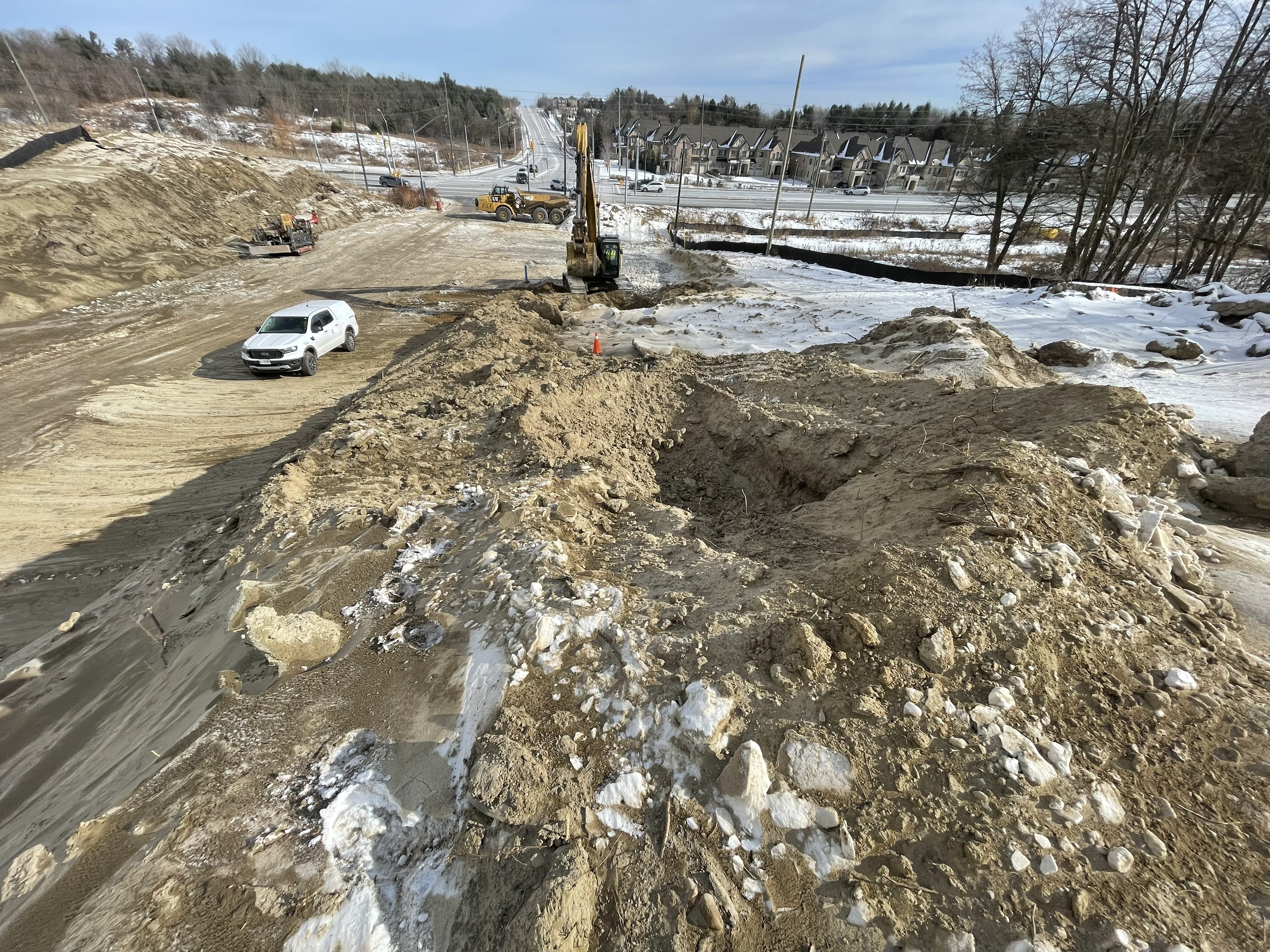
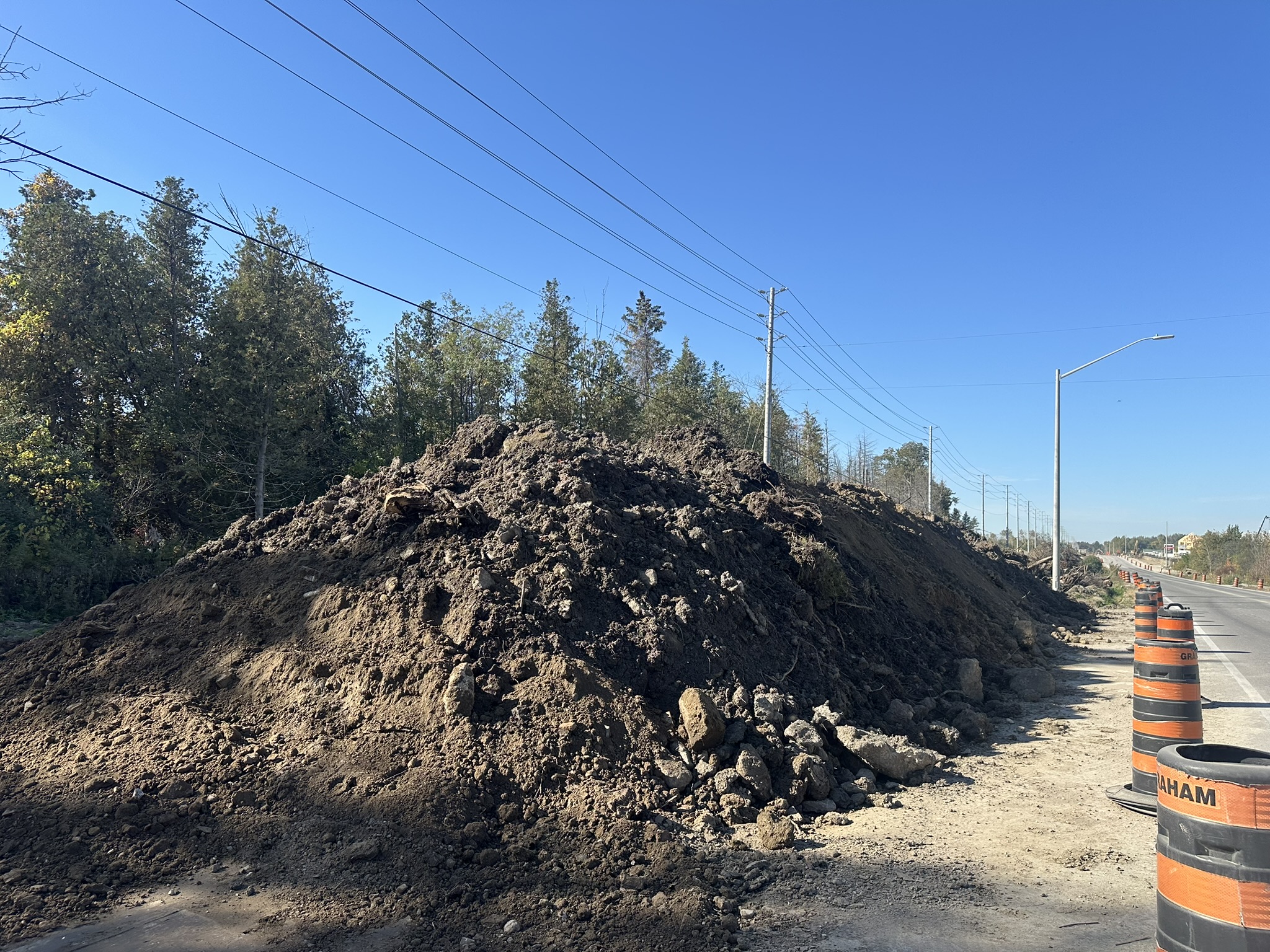
Excess soil is soil excavated during construction that cannot be reused on the same site. Historically, excess soil has often been treated as a disposal problem rather than a resource, leading to issues such as illegal dumping, unnecessary landfill disposal of clean materials, and, in some cases, the inappropriate reuse of contaminated soils.
A changing regulatory landscape across Canada
Ontario and British Columbia have introduced strict rules for excess soil management to encourage beneficial reuse and ensure soil is assessed before it is relocated. In contrast, Alberta and Saskatchewan do not yet have dedicated province-wide excess soil regulations, although the industry is increasingly moving toward more formalized and standardized practices.
Why proactive soil management matters in Alberta and Saskatchewan
Even in jurisdictions without strict regulatory requirements, proactive soil management remains a smart and cost-effective practice.
“Even though there aren’t mandated testing rules in Alberta and Saskatchewan, you should still test the soil on your site”, says Erica Andrew, a Senior Environmental Specialist in Thurber's Calgary office.
“In the long run, testing and reusing the soil is cheaper for developers because if the soil is clean, you won’t need to import soil from a borrow pit, or pay expensive landfill fees if you’re disposing the soil. Further, testing the soil being imported to or exported from your site helps prevent issues in the future”.
She adds that testing frequency should reflect site conditions and risk. “For brownfield sites, a typical approach might be around one sample per thousand cubic metres of soil. For greenfield sites, where the risk of contamination is generally lower, that can often be reduced to around one sample per five thousand cubic metres.”
Alberta’s lack of a centralized excess soil framework has contributed to a more fragmented legacy of soil management practices, particularly in older or redeveloped urban areas. In some cases, imported fill has later been found to be contaminated or unsuitable for long-term development.
“If you visit Calgary’s East Village, the whole area is built on contaminated soil that was imported from elsewhere. Once you’re built on a contaminated site, it’s very difficult to remediate it after the fact, especially if the contaminants are located under the building”, says Erica.
Ontario’s more prescriptive approach
Ontario’s excess soil framework is far more prescriptive, which makes early planning especially important. Projects often require a Qualified Person (QP) to guide soil characterization, planning documentation, registry requirements, and reuse or disposal decisions before excavation begins. As David Kantor, a Senior Environmental Engineer in Thurber’s Oakville office, explains:
"Thurber helps our Ontario clients develop practical solutions from construction planning to construction monitoring while navigating the province’s relatively new excess soil requirements".
With the right expertise involved early, owners and contractors can reduce delays, support compliance, and move soil more efficiently through construction.
The value of getting the right expertise involved early
Environmental consultants such as Thurber should be engaged early in a project, ideally before land is purchased or excavation begins. Early involvement helps identify contamination risks, define impacted areas, assess reuse or disposal options, and support better decision-making across different regulatory environments.
Beyond contamination concerns, geotechnical assessment is also critical to confirm that soils are suitable for their intended use. This includes evaluating settlement potential, slope stability, and erosion risks, as well as assessing seismic hazards such as liquefaction in applicable regions. Where issues are identified, engineers can design mitigation measures that allow the site to be safely and effectively developed.
A multidisciplinary approach to better land decisions
Thurber’s multidisciplinary team of environmental specialists and geotechnical engineers helps clients make informed decisions about purchasing, managing, and developing land, including navigating excess soil requirements in more regulated jurisdictions such as Ontario and British Columbia.